
Understanding Fine Lines and Wrinkles: Causes, Differences, and Best Treatments
Fine lines and wrinkles are natural signs of aging, telling the story of our expressions, lifestyle, and time passing. As the years go by, our skin’s production of collagen and elastin slows down, leading to visible changes in texture and firmness. Although the terms “fine lines” and “wrinkles” are often used interchangeably, they represent different stages of skin aging—and require different treatment approaches.
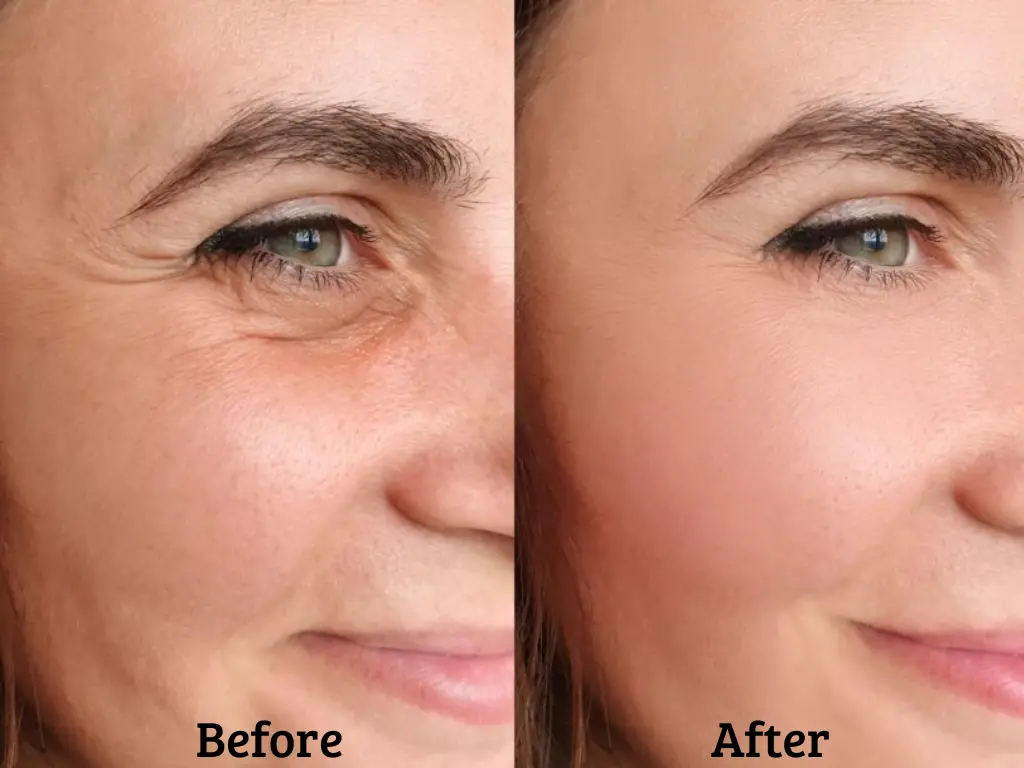
Below, we’ll break down what sets them apart, what causes them, and the best ways to treat and prevent them.
What Are Fine Lines?
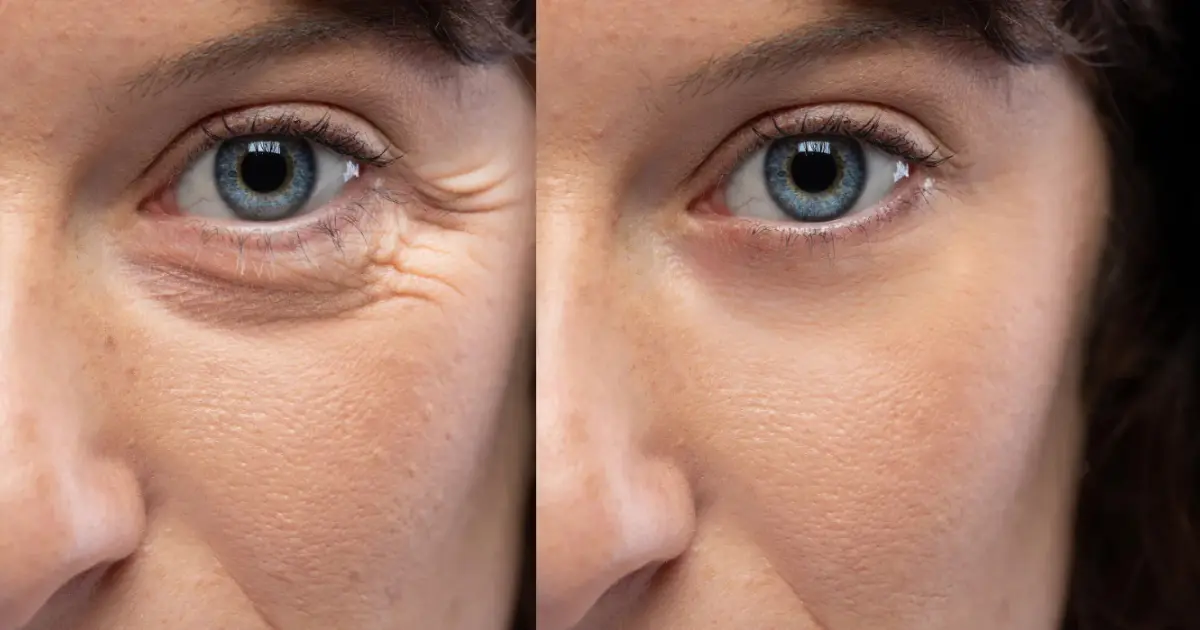
Fine lines are shallow, delicate creases on the skin’s surface, often appearing in high-movement areas like around the eyes (crow’s feet) and mouth. They tend to develop in the late twenties or early thirties and are influenced by factors such as UV exposure, smoking, dehydration, and lifestyle habits.
Unlike deeper wrinkles, fine lines mostly indicate early changes in skin texture and are easier to address with consistent skincare.
Why Is My Face Wrinkly?
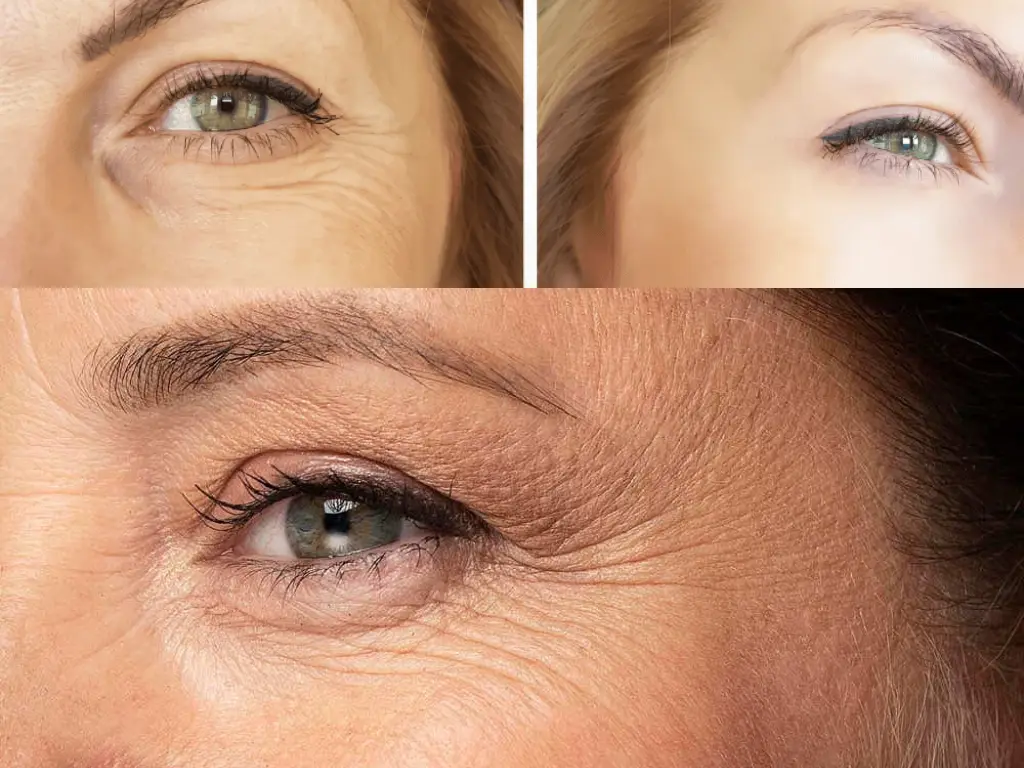
If you’re wondering why your face appears wrinkly, it’s often a mix of natural aging and lifestyle influences. As you age, your skin becomes thinner, drier, and less elastic due to reduced collagen and elastin production. Environmental factors like sun exposure, pollution, and even sleeping positions can speed up the development of fine lines and deeper folds. Poor hydration, smoking, and a diet lacking in nutrients also contribute to skin that looks prematurely aged. While some wrinkling is inevitable over time, making healthy lifestyle changes and following a good skincare regimen can help slow the process and keep your skin smoother for longer.
Understanding Wrinkles
Wrinkles are deeper, more noticeable folds that occur when the skin loses elasticity, collagen, and fat beneath the surface. They can be caused by a combination of intrinsic factors (natural aging, genetics) and extrinsic factors (sun exposure, pollution, lifestyle habits).
Wrinkles fall into two main categories:
- Dynamic wrinkles – visible during facial expressions such as smiling or frowning.
- Static wrinkles – present even when your face is at rest.
Main Causes of Fine Lines and Wrinkles
Several factors contribute to skin aging:
- Aging: Natural decline in skin regeneration and collagen production.
- Sun Damage: UV rays break down collagen and elastin fibers, speeding up aging.
- Smoking: Reduces blood flow and oxygen to the skin, leading to premature lines.
- Dehydration: Dry skin makes creases appear more pronounced.
- Repetitive Facial Movements: Habitual expressions can create lasting patterns in the skin.
Best Treatments for Fine Lines
Since fine lines are superficial, they respond well to less invasive treatments:
- Moisturizers: Hydrate and plump the skin for a smoother look.
- Retinoids: Boost cell turnover and collagen production.
- Chemical Peels: Remove dead skin cells to reveal fresher skin underneath.
- Microneedling: Stimulates collagen through controlled micro-injuries.
- Laser Therapy: Tightens skin and improves texture.
Best Treatments for Wrinkles
Deeper wrinkles often require more intensive solutions:
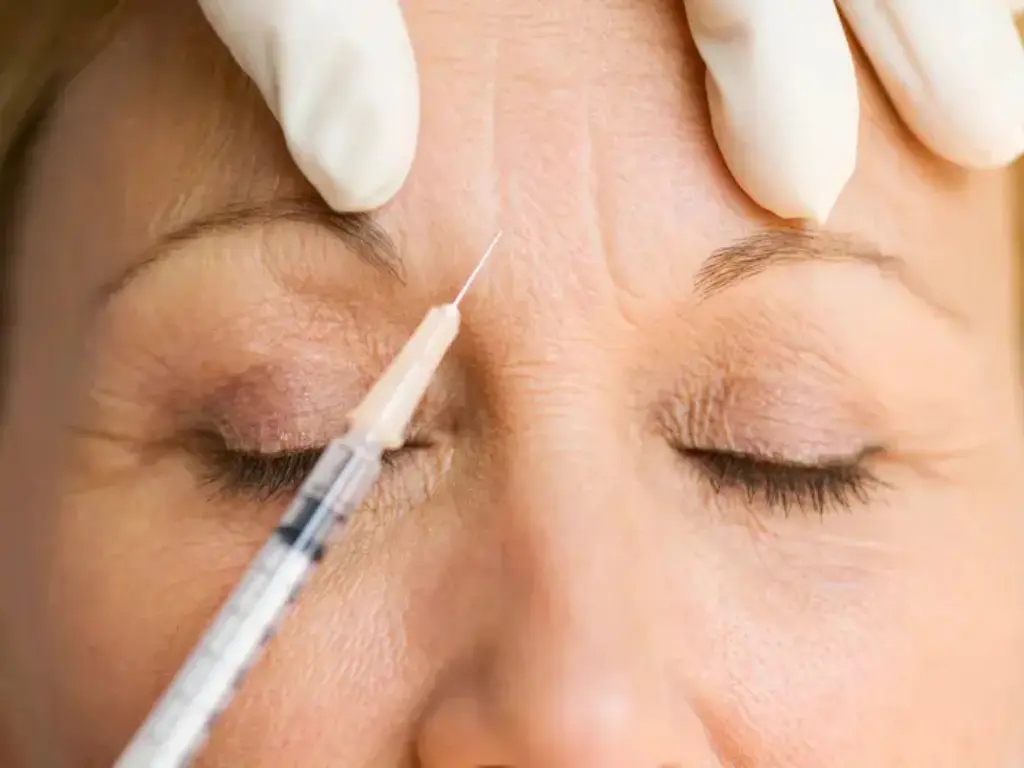
- Botox: Temporarily relaxes muscles to smooth dynamic wrinkles.
- Dermal Fillers: Restore lost volume and soften deep creases.
- Chemical Peels: Stronger formulations can reduce visible wrinkles.
- Facelift Surgery: Lifts skin and underlying tissues for long-lasting results.
- Microdermabrasion: Gently resurfaces the skin for gradual improvement.
Prevention: The Key to Healthy, Youthful Skin
The most effective strategy is to prevent premature skin aging:
- Daily Sunscreen: Protects against UV damage year-round.
- Stay Hydrated: Drink enough water and use hydrating skincare.
- Eat a Skin-Friendly Diet: Include antioxidants, vitamins, and healthy fats.
- Quit Smoking: Improves oxygen supply and skin repair.
- Consistent Skincare Routine: Include gentle exfoliation, hydration, and targeted actives.
Know Your Skin, Choose the Right Care
Identifying whether you’re dealing with fine lines or wrinkles helps you choose the most effective treatments. A dermatologist can create a personalized plan tailored to your skin type and aging concerns.
Final Thoughts
Aging is natural, but that doesn’t mean you can’t care for your skin and keep it looking vibrant. With the right prevention, targeted treatments, and consistent skincare, you can minimize fine lines, soften wrinkles, and maintain healthy, glowing skin at any age.