Brain Stroke – 6 Causes, Symptom and Prevention
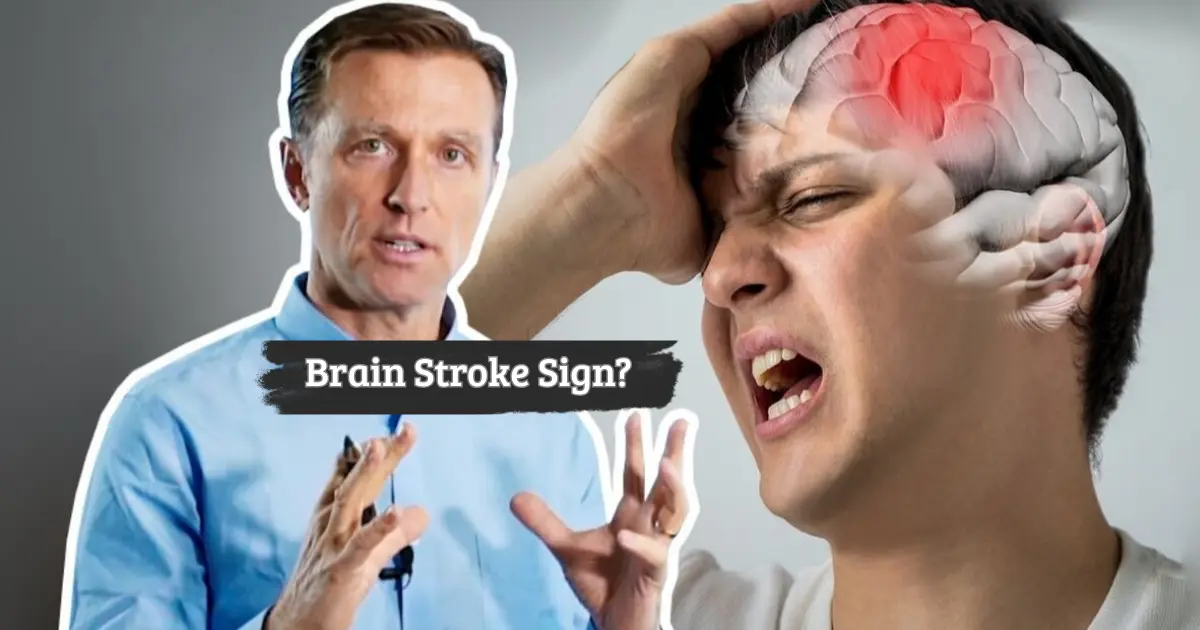
In the realm of medical emergencies, few are as harrowing and life-altering as a stroke. A stroke, often referred to as a “brain attack,” strikes suddenly and without warning, leaving individuals and their loved ones grappling with its devastating aftermath. Understanding the intricacies of Brain stroke, its risk factors, symptoms, and treatment options is crucial in mitigating its impact on one’s life. In this comprehensive guide, we delve deep into the world of strokes, shedding light on critical aspects to help you stay informed, safe, and prepared.
What is a stroke?
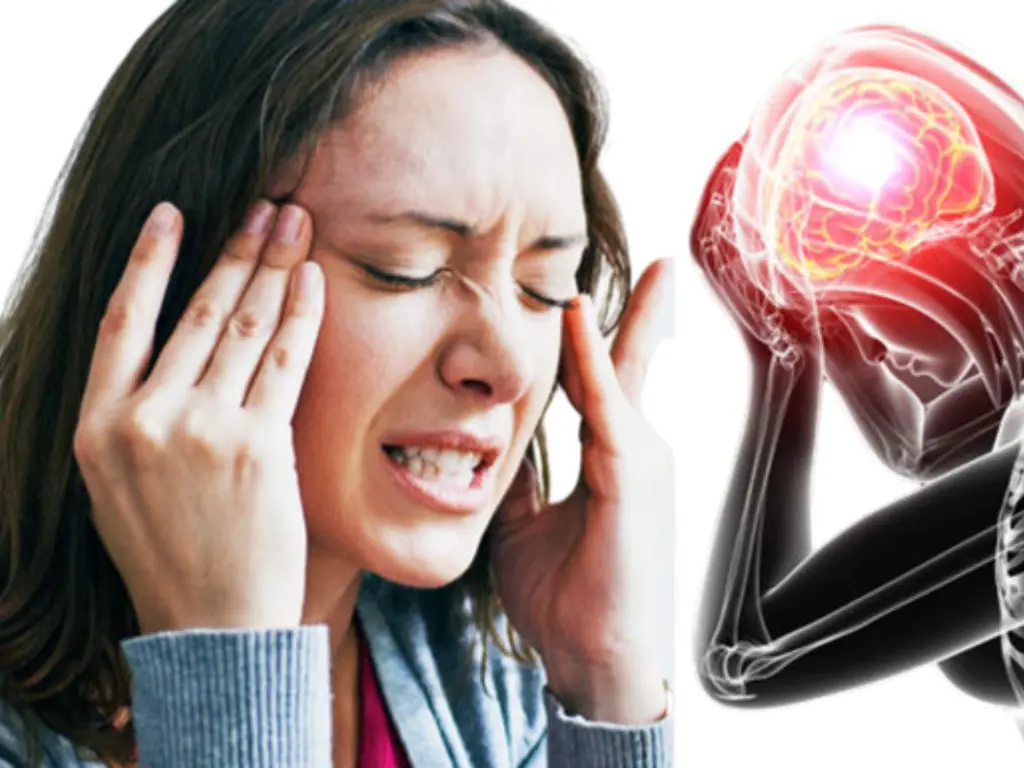
A stroke, also known as a cerebrovascular accident (CVA), occurs when the blood supply to a part of the brain is disrupted or reduced, leading to damage or death of brain cells. This interruption in blood flow can happen in two primary ways: through a blockage (ischemic stroke) or due to the rupture of a blood vessel (hemorrhagic stroke).
Types of Strokes
a) Ischemic Stroke
An ischemic stroke occurs when a blood clot or plaque buildup narrows or blocks an artery leading to the brain. This is the most common type of stroke, accounting for approximately 87% of all cases.
b) Hemorrhagic Stroke
A hemorrhagic stroke results from the rupture of a blood vessel in the brain, leading to bleeding. This type of stroke is less common but often more severe.
c) Transient Ischemic Attack (TIA)
A TIA, often referred to as a “mini-stroke,” is a temporary disruption of blood flow to the brain. Although short-lived, TIAs are crucial warning signs of an impending stroke.
Recognizing the Warning Signs of a Brain Attack
Strokes can strike anyone at any age, making it imperative to recognize the signs and act swiftly. Key stroke symptoms include:
-
-
-
- Sudden Numbness or Weakness: Particularly on one side of the body, often in the face, arm, or leg.
- Difficulty Speaking: Slurred speech or difficulty forming coherent sentences.
- Vision Problems: Blurred or double vision.
- Severe Headache: Often described as the worst headache of one’s life.
- Dizziness and Loss of Balance: Difficulty walking or maintaining balance.
-
-
If you or someone around you experiences any of these stroke symptoms, it is crucial to seek immediate medical attention. Remember, time is of the essence when dealing with strokes, and rapid treatment can make a significant difference in the outcome.
The Importance of FAST
Remember the acronym FAST to act swiftly when stroke symptoms are observed:
-
-
-
- Face: Ask the person to smile. Does one side of their face droop?
- Arms: Have the person raise both arms. Does one arm drift downward?
- Speech: Ask them to repeat a simple sentence. Is their speech slurred?
- Time: If you observe any of these signs, call 911 immediately.
-
-
Risk Factors: Who’s at Risk?
Stroke does not discriminate and can affect individuals of all backgrounds. However, several risk factors can increase your chances of experiencing a stroke:
1) High Blood Pressure (Hypertension): Uncontrolled high blood pressure is the single most significant risk factor for strokes. It can damage blood vessels, making them more prone to clots and ruptures.
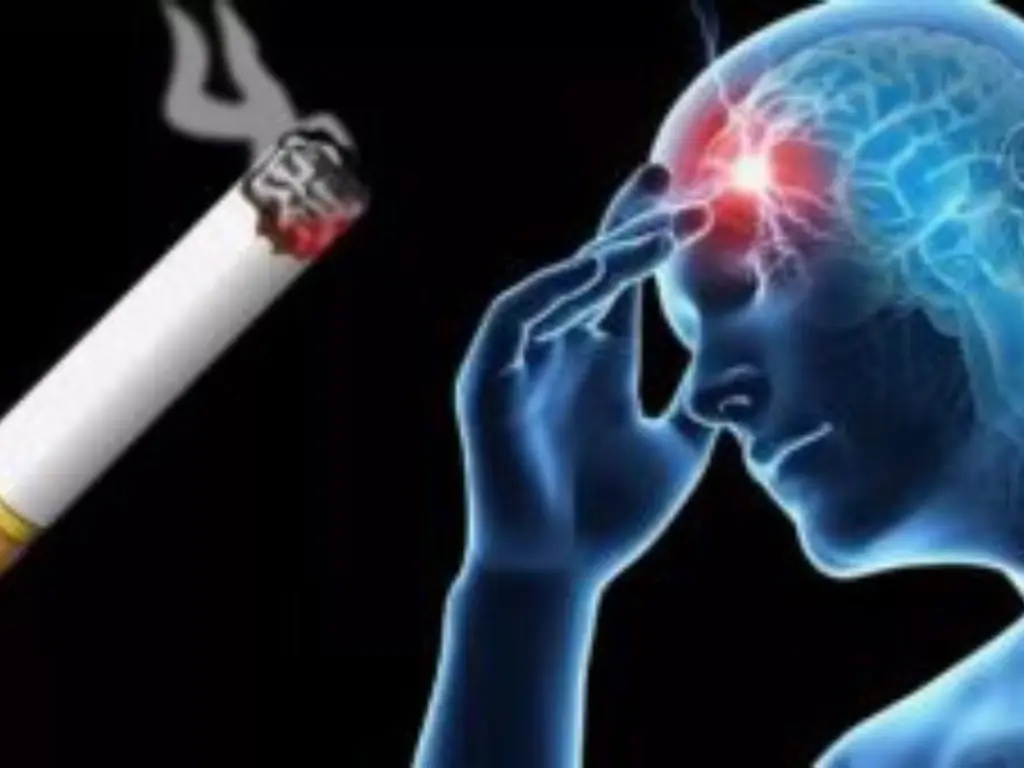
2) Smoking: Tobacco smoke contains chemicals that can damage blood vessels and reduce the amount of oxygen in the blood, increasing the risk of clot formation.
3) Diabetes: Diabetes can lead to the hardening of arteries, making them less flexible and more susceptible to blockages.
4) High Cholesterol: Elevated levels of cholesterol can contribute to the buildup of plaque in the arteries, restricting blood flow to the brain.
5) Obesity: Being overweight or obese increases the risk of developing other risk factors, such as high blood pressure and diabetes.
6) Family History: A family history of strokes or certain genetic factors can predispose individuals to stroke.
Brain Stroke Prevention: Your Best Defense
While some risk factors for strokes cannot be changed, such as family history, age, and gender, many are modifiable. Taking proactive steps to reduce your risk of stroke is essential:
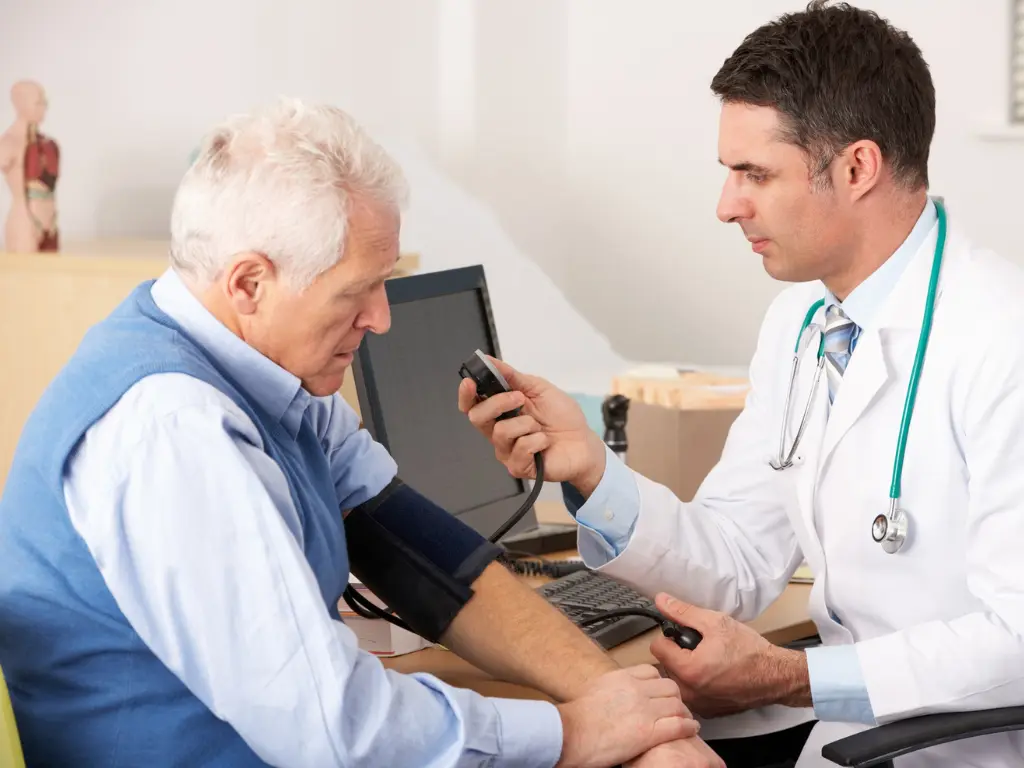
1) Manage Blood Pressure: Regular check-ups, lifestyle changes, and medications can help control high blood pressure.
2) Quit Smoking: Seek support and resources to quit smoking and lower your stroke risk.
3) Control Diabetes: Proper diabetes management can reduce the impact of this condition on your vascular health.
4) Maintain a Healthy Weight: Adopt a balanced diet and engage in regular physical activity to achieve and maintain a healthy weight.

5) Limit Alcohol Intake: Moderation is key when it comes to alcohol consumption. Excessive drinking can elevate blood pressure and contribute to stroke risk.
6) Stay Informed: Knowledge is power. Stay informed about your health, risk factors, and available stroke treatments.
The Road to Recovery
Recovery from a stroke can be a challenging journey, but it is possible with the right medical care and support. Depending on the severity of the stroke, rehabilitation may involve physical therapy, speech therapy, and occupational therapy. The goal is to help patients regain their independence and quality of life to the fullest extent possible.
Conclusion
In the realm of medical emergencies, strokes are a formidable adversary. However, armed with knowledge about the risk factors, warning signs, and prevention strategies outlined in this guide, you can take proactive steps to safeguard your health and reduce your risk of falling victim to this life-altering event. Remember, your health is your most valuable asset, and stroke prevention is a journey worth embarking on. Stay informed, stay vigilant, and prioritize your well-being above all else.
By taking action today, you can significantly reduce your risk of becoming another statistic in the battle against strokes. Your future self will undoubtedly thank you for it.