
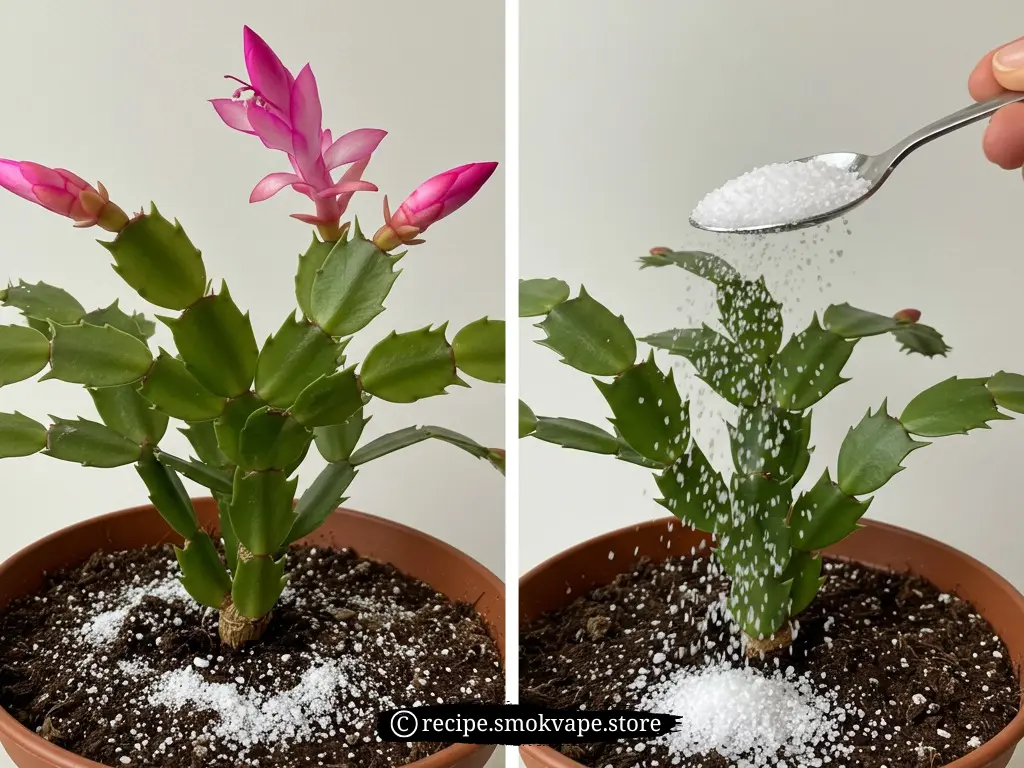
Fall Awakening: Reviving House Flowers with a Simple Secret
As the crisp air of autumn rolls in, many houseplants begin to lose their summer vitality. Their leaves droop, their colors fade, and their growth slows. This is not a sign to give up on them—it is an invitation to breathe new life into your home with a seasonal refresh. With one simple technique and a touch of natural care, we can transform tired house flowers into vibrant, blooming centerpieces that carry beauty through fall and beyond.
Understanding Fall’s Impact on Indoor Flowers
During autumn, plants face lower light levels, fluctuating temperatures, and drier indoor air from heating systems. These changes stress house plants (flowers) and lead to wilting or reduced blooming. To counter this, it is crucial to give them targeted nutrition and hydration that mimics their natural growth cycle while encouraging strong root health.
The Secret Ingredient: Nutrient Boost for Thriving Blooms
The key to reviving house flowers lies in replenishing the soil with a balanced, natural nutrient source. By incorporating an organic fertilizer rich in nitrogen, phosphorus, and potassium (NPK), plants receive exactly what they need:
- Nitrogen (N): Encourages lush green leaves and stronger stems.
- Phosphorus (P): Stimulates root growth and bud formation.
- Potassium (K): Enhances disease resistance and overall plant vitality.
We recommend using a slow-release fertilizer or liquid feed specifically designed for flowering plants. This allows for steady absorption, ensuring consistent growth without the risk of overfeeding.
Step-by-Step Guide: How to Revive House Flowers in the Fall
Follow these precise steps to ensure your house flowers bounce back with renewed vigor:
1. Inspect and Prune
Remove dead leaves, faded flowers, and weak stems to redirect the plant’s energy toward new growth.
2. Refresh the Soil
Loosen the top layer of soil to improve aeration. Mix in compost or a fresh layer of potting mix to replenish nutrients.
3. Apply the Secret Boost
Add your chosen fertilizer following the package instructions. For liquid fertilizers, dilute to half strength to avoid root burn.
4. Water Correctly
Water deeply but infrequently. Ensure proper drainage to avoid root rot while keeping the soil slightly moist.
5. Adjust Light and Placement
Move plants closer to a window with bright, indirect light or use a grow light to extend daylight hours during shorter autumn days.
6. Maintain Humidity
Place a tray of water with pebbles beneath your plant pots or use a humidifier to counteract dry indoor air.
Promoting Fall Blooming in Indoor Plants
Some house flowers—like African violets, peace lilies, and orchids—respond exceptionally well to fall rejuvenation. By combining proper pruning, fertilization, and consistent light exposure, even reluctant bloomers can be encouraged to produce new buds.
Common Mistakes to Avoid
- Overwatering: Leads to root rot and fungal issues.
- Excessive Fertilization: Can burn roots and stunt growth.
- Ignoring Light Requirements: Low light prevents flowering and weakens stems.
- Skipping Pruning: Keeps plants wasting energy on dead growth.
Proven Results: Transforming Your Indoor Space
Gardeners consistently report that this simple approach leads to:
- Rapid revival of drooping plants within a week.
- Stronger stems and fuller foliage.
- A dramatic increase in budding and flowering cycles.
- An overall healthier, more vibrant indoor display.
When applied regularly during autumn, this method turns a fading houseplant collection into a thriving botanical showcase, breathing new energy into any home.
Final Thoughts: Fall Is the Perfect Time to Revitalize
Autumn should not mark the decline of your indoor flowers but their rejuvenation. By taking a few intentional steps—refreshing soil, applying the right nutrients, and optimizing their environment—we ensure that house flowers remain lush and blooming even as outdoor gardens prepare for winter.
With this proven technique, your home becomes a living oasis of color, fragrance, and vitality all season long.