
Place at the table meaning: What Your Seat Choice Reveals About Connection
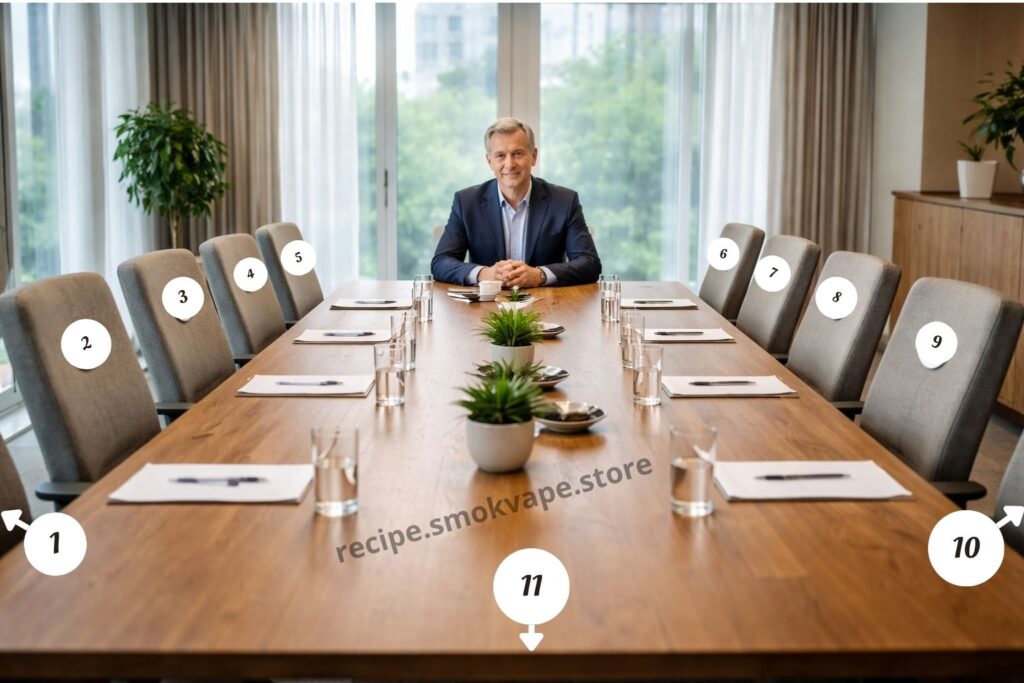
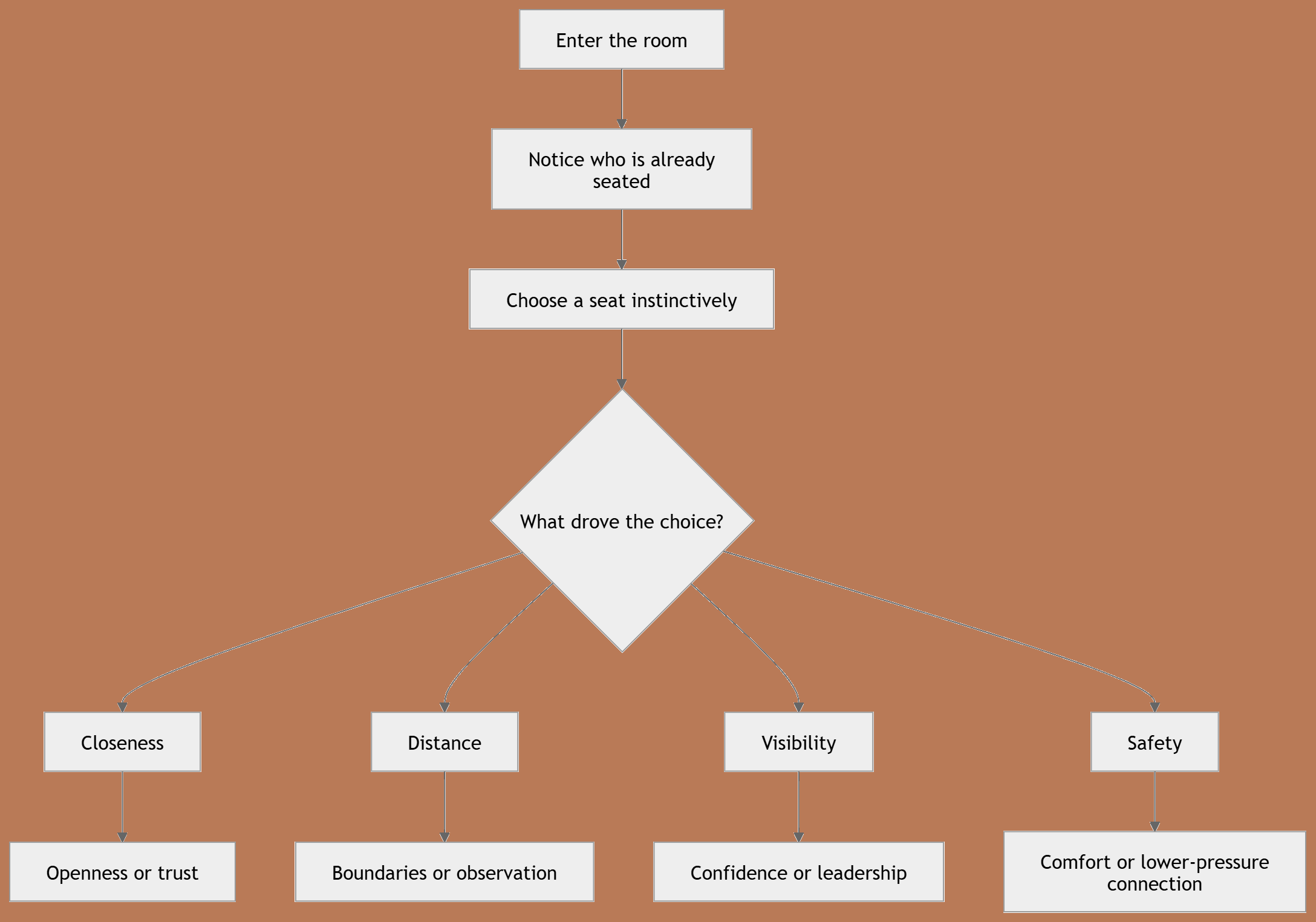
We rarely think of choosing a seat as a meaningful decision. We walk into a room, notice the table, see who is already there, and instinctively choose a place. Yet that small choice often reflects something deeper: how we manage closeness, how we read about social energy, and how we want to be seen.
That is why the idea of a “place at the table” resonates so strongly. It is not only about furniture or physical location. It is about belonging, comfort, influence, distance, and connection. In everyday life, where we sit can shape the conversation before it begins.
Research on nonverbal communication and personal space helps explain why this matters. Physical distance, body orientation, and shared meals all play a role in how people experience trust, comfort, and social connection. Shared eating itself is widely linked with stronger social bonds and well-being, while personal space remains a key part of how humans communicate without words.
Table of Contents
What Does “Place at the Table” Really Mean?
The phrase has both a literal and a symbolic meaning.
Literally, it refers to where someone chooses to sit. Symbolically, it reflects how someone enters a shared social space. Do we move toward others, stay slightly back, take a visible position, or look for the safest seat in the room?
None of these choices automatically defines a person. But they can reveal patterns. Seat choice often reflects a blend of personality, social comfort, experience, and context. In other words, it is less about one fixed trait and more about one moment of social instinct.
The Psychology Behind Table Seating
Personal space is part of communication
Psychologists and communication researchers have long recognized that people use space to send nonverbal messages. Distance can communicate warmth, confidence, caution, status, or a need for control. The study of this spatial behavior is often discussed in terms of proxemics, which focuses on how humans use physical distance in social interaction.
Seat choice begins before the conversation does
Before anyone speaks, the room is already communicating. A person entering that room quickly evaluates:
- Who is present
- How close do they want to be
- Whether they want visibility or privacy
- How much direct interaction do they expect
- How safe or exposed a seat feels
That decision can be made fast, but it is not meaningless.
Context always matters
A family dinner, a work meeting, a first date, and a holiday gathering do not create the same social pressures. Someone who chooses an end seat in a work setting may be signaling leadership or habit. The same person may sit off to the side at a family event simply because they want quiet.
That is why interpretation should stay thoughtful, not rigid.
Why Your Place at the Table Changes the Way You Connect
Where we sit affects more than appearance. It changes the mechanics of human interaction.
1. It shapes eye contact
A seat directly across from someone encourages face-to-face attention. A seat beside someone softens the interaction and can make it feel less intense. A seat at a distance may reduce engagement altogether.
2. It changes body orientation
People sitting side by side often feel less confrontational and more collaborative. People sitting opposite each other may feel more focused, direct, or evaluative.
3. It influences who feels included
At group tables, some seats naturally create easier access to the conversation. Others put people on the edge. Even subtle placement can affect who speaks, who listens, and who withdraws.
4. It affects emotional comfort
Humans tend to relax more when they feel physically and socially secure. Shared meals, especially in welcoming settings, are repeatedly associated with stronger social connections and well-being.
What Your Seat Choice May Reveal
Below are useful interpretations, not strict rules. They are best read as tendencies.
Sitting close to the other person
Choosing a seat nearby often suggests openness to connection. It can reflect warmth, trust, curiosity, or a desire to engage naturally.
This choice may be common among people who:
- Enjoy easy conversation
- feel socially confident
- value closeness and immediacy
- prefer warmth over formality
In some situations, it may also signal familiarity. When we already feel safe with someone, we usually need less distance.
Sitting directly across
This is often the most balanced and intentional position. It supports eye contact and clear conversation while preserving personal space.
This choice may reflect:
- interest in direct communication
- emotional steadiness
- preference for clarity
- comfort with one-to-one interaction
In professional or serious conversations, sitting across can feel respectful and focused.
Sitting beside the person
A side-by-side seat often suggests comfort without pressure. It can feel cooperative, gentle, and psychologically safe, especially for people who dislike overly intense social interaction.
This choice may reveal:
- ease with quiet companionship
- desire for a lower-pressure interaction
- cooperative rather than confrontational energy
- subtle emotional closeness
In many real-life settings, sitting beside someone can create a sense of alliance.
Sitting at the end of the table
End seats attract attention. They often provide a wider visual field and a feeling of control over the room.
This choice may reflect:
- leadership habits
- strong observational awareness
- preference for structure
- comfort being visible
That does not always mean dominance. Sometimes it simply means the person prefers perspective and space.
Sitting farther away
Distance does not always mean rejection. It can also mean thoughtfulness, caution, introversion, or a need to read the room first.
This choice may reveal:
- strong boundaries
- slower trust-building
- social fatigue
preference for observing before engaging
In unfamiliar settings, a more distant seat can be a form of emotional self-protection.
A Simple Reflection Exercise
Imagine entering a room with a long table. One person is already seated. There are several open chairs. You choose one immediately.
Now ask:
- Did we choose closeness or distance?
- Did we want visibility or privacy?
- Did we choose comfort, control, or connection?
- Did we want to engage directly, indirectly, or not yet?
The goal is not to judge the answer. The goal is to notice what felt natural.
Common Seating Patterns in Real Life
Family settings
At family tables, seats often become ritualized. People return to familiar positions because those places feel stable. But when someone changes seats, it can subtly change the conversation and the emotional dynamic.
A parent at the head of the table may reinforce structure. A child sitting closer to one adult may signal attachment or comfort. A quieter family member may choose the edge to reduce pressure.
Friend groups
Among friends, seat choice often reveals subgroups, trust, and social ease. We tend to sit near the people with whom conversation flows most naturally.
This matters because social eating is more than a routine behavior. Research on commensality, or eating together, increasingly treats shared meals as meaningful social experiences tied to belonging and emotional well-being.
Dating and early relationships
In dating, side-by-side seating can feel safer and softer, while opposite seating can create direct attention and intensity. Neither is better. Each creates a different tone.
A close seat may encourage warmth. A more structured seat may encourage conversation. A distant seat may suggest hesitation, nerves, or simply habit.
Work and formal gatherings
In formal settings, seat choice can signal hierarchy, authority, and participation. Some seats feel central to the discussion, while others communicate observation or deference.
This is why hosts and leaders often think carefully about placement. Seating is not only logistical. It is relational.
What Seat Choice Does Not Mean
Seat choice is not a diagnosis.
It does not prove someone is shy, dominant, avoidant, warm, or emotionally distant. Many variables influence human behavior:
- mood
- social energy
- culture
- room layout
- past experiences
- familiarity with the people present
- sensory preferences
- habit
The most accurate reading comes from patterns over time, not from a single moment.
How to Use Seating Awareness More Intentionally
When hosting
If we want a more connected table, layout matters.
We can:
- avoid isolating guests at the edges
- seat new guests near warm conversational anchors
- Reduce overly formal spacing
- Use round or smaller tables when intimacy matters
When joining a gathering
We can also use seat choice intentionally. If we want to engage more, we can choose a seat that makes conversation easier. If we want to support someone, we can sit where our presence feels reassuring rather than overwhelming.
When reading the room
The most useful approach is curiosity, not judgment. Instead of deciding what a person “is,” we can ask what their seat may be helping them do:
- feel safe
- stay present
- lead
- observe
- connect gradually
That is a far more human way to interpret behavior.
See also: 7 Natural Home Remedies for Cracked Heels (That Actually Work)
The Deeper Meaning of a Place at the Table
A place at the table is not only about where we sit. It is about how we enter shared space with other people. It reflects how we balance closeness and distance, openness and boundaries, visibility and comfort.
That is why the choice feels so revealing. It turns an ordinary moment into a quiet portrait of social instinct.
The next time we enter a room and choose a seat without thinking, it is worth pausing for one second longer. Our place at the table may be saying more than we realize.
Conclusion
Where we sit can shape how we speak, listen, and connect. A seat is never just a seat when people are involved. It can reflect comfort, confidence, caution, or a wish for closeness. Read thoughtfully, seat choice becomes a useful lens for understanding how connection begins.
FAQ
What does your place at the table say about you?
It may reflect how comfortable you feel with closeness, visibility, and interaction. Seat choice can hint at openness, caution, leadership, or a need for emotional space.
Is table seating psychology real?
Yes, in the sense that physical distance and body orientation affect communication and comfort. Personal space is a well-established part of nonverbal communication research.
Does sitting far away mean someone dislikes you?
No. Distance can reflect many things, including habit, introversion, fatigue, caution, or simple preference.
Why do some people always choose the same seat?
Familiar seats create predictability and comfort. Repeated placement can become part of a person’s routine and sense of control in shared spaces.
Is sitting beside someone more intimate than sitting across?
It can be. Sitting beside someone often feels softer and less confrontational, while sitting across encourages direct eye contact and focused conversation.
Do shared meals really help people connect?
Research suggests they often do. Shared meals are associated with stronger social connection, reduced loneliness, and greater well-being in many settings.
Can seat choice affect group dynamics?
Yes. Placement can influence inclusion, visibility, side conversations, leadership, and how comfortably people join the discussion.