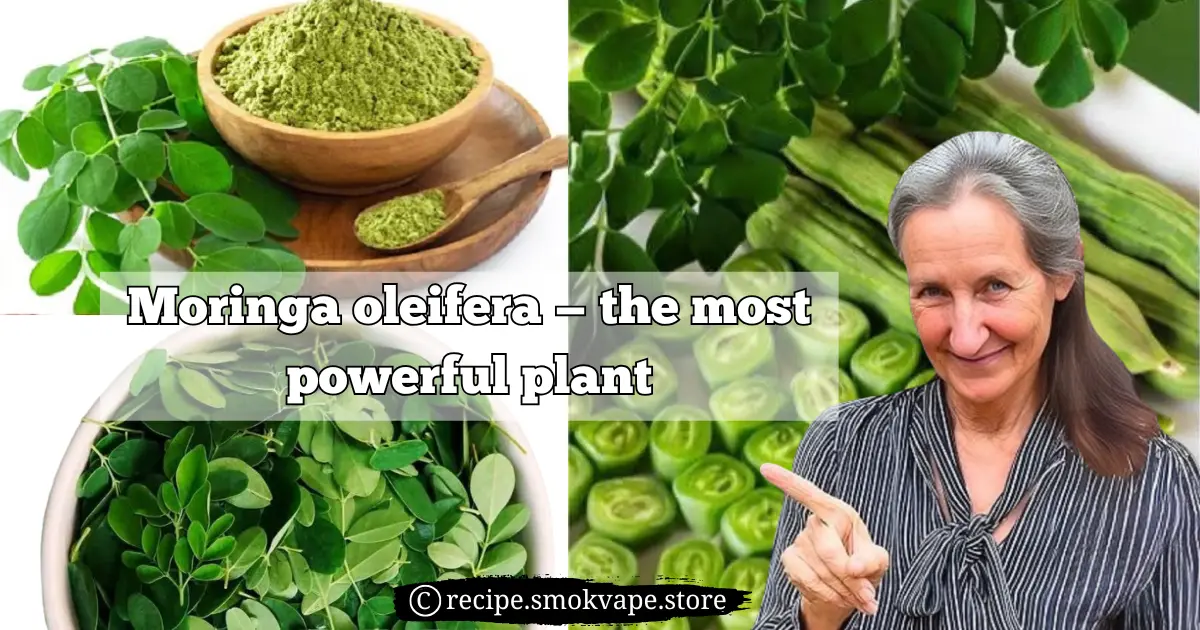
10 Amazing Benefits of the Most Powerful Plant – Moringa Oleifera
We present an in-depth guide on what is often described as “the most powerful plant”—its history, medicinal properties, scientific evidence, risks, and how to use it safely. Our goal is to provide a definitive resource that surpasses existing articles on this topic, including the remarkable Moringa health benefits.
1. What Do People Mean by “the Most Powerful Plant”?
- When people refer to “the most powerful plant,” they usually:
- Cite its broad spectrum of claimed health benefits (antiviral, antibacterial, antioxidant, anti-inflammatory)
- Highlight its role in traditional medicine across multiple cultures
- Emphasize anecdotal success stories of treating serious infections, boosting immune defenses, or alleviating chronic pain
- Use language intended to inspire awe or urgency
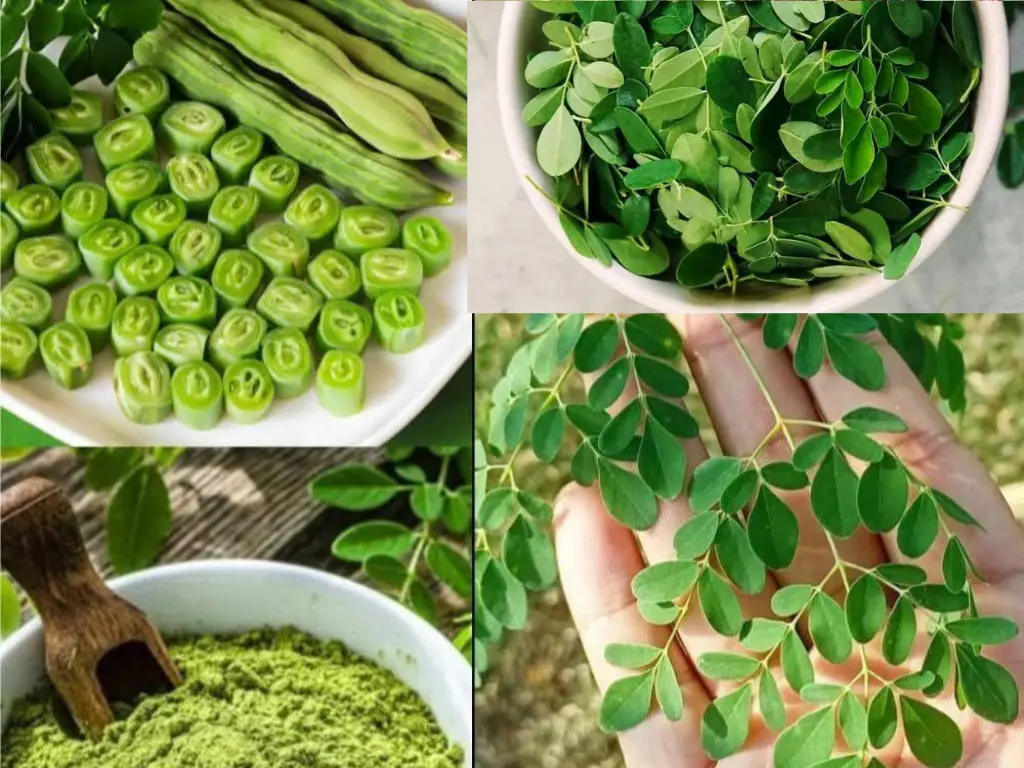
To anchor our discussion, we’ll consider a specific plant that fits many claims: Artemisia annua (Sweet Wormwood) or Moringa oleifera, depending on traditional sources. Both are frequently used in such contexts. In this article, we focus on Moringa oleifera due to its wider use, safety profile, and growing body of scientific evidence.
Additionally, understanding the Moringa health benefits can help individuals make informed decisions about incorporating this powerful plant into their diets.
2. Historical & Cultural Significance
- Origins: Moringa is native to parts of South Asia—especially India—where it has been cultivated for at least 5,000 years.
- Traditional Uses: In Ayurvedic medicine, every part of the plant—leaves, seeds, pods, and flowers—was and still is used to treat malnutrition, digestive issues, inflammation, and skin disorders.
- Global Adoption: From Africa to Latin America, Moringa has become popular for tackling nutrient deficiencies, especially among vulnerable populations.
- Folklore & Modern Media: In recent decades, social media posts often label it “miracle tree,” “most powerful plant,” or “destroyer of parasites/viruses”—some claims overhyped, others grounded in preliminary research.
3. Botanical Profile & Active Compounds
| Part of Plant | Key Phytochemicals | Notable Properties |
| Leaves | Vitamins A, C, E; Minerals (calcium, potassium); Flavonoids; Polyphenols | High antioxidant activity; supports vision, skin health |
| Seeds & Pods | Oleic acid; proteins; antimicrobial peptides | Seed oil for skin/hair; seed extracts with microbial and parasite activity |
| Roots & Bark | Alkaloids; tannins | Traditional use, but higher risk of toxicity; less studied |
- Flavonoids & Polyphenols: Quercetin, kaempferol, and chlorogenic acid contribute to antioxidant & anti-inflammatory actions.
- Glucosinolates & Isothiocyanates: Compounds in Moringa that may help modulate detoxification enzymes and inhibit cancer cells in laboratory studies.
- Essential Nutrients: High amounts of iron, magnesium, and B vitamins make it beneficial for anemia prevention and overall nutrition.
4. Health Benefits Supported by Scientific Research
Antimicrobial & Antiviral Effects
- Laboratory studies (in vitro) have demonstrated that leaf and seed extracts of Moringa inhibit the growth of bacteria, including Staphylococcus aureus, E. coli, and Salmonella strains.
- Some early-stage research suggests antiviral activity against viruses such as herpes simplex, influenza, and possibly others, via growth inhibition or prevention of viral replication.
Anti-inflammatory & Pain Relief
- Compounds like isothiocyanates and flavonoids help reduce the expression of inflammatory cytokines (e.g., IL-6, TNF-α) in animal models.
- Traditional applications include poultices for joint pain, ingestion for headaches, and digestive discomfort.
Immune System Modulation
- Studies in animals show that Moringa leaf powder can increase the activity of certain immune cells (macrophages, T-lymphocytes).
- Some human trials indicate improvements in antioxidant markers (e.g., glutathione) and reductions in oxidative stress.
Nutritional & Other Therapeutic Uses
- Rich nutrient profile helps in preventing or ameliorating malnutrition.
- Some evidence for blood sugar-lowering effects (type 2 diabetes), possibly through improved insulin response and reduced oxidative stress.
- Preliminary research into cholesterol-lowering, liver protection (hepatoprotective action), and regulation of blood pressure.
5. How It Works: Mechanisms of Action
- Antioxidant Scavenging: Flavonoids and phenolic compounds neutralize free radicals, reducing oxidative damage.
- Enzyme Modulation: Induction or inhibition of detoxification enzymes in the liver (Phase I & Phase II) helps in processing toxins and perhaps drug metabolism.
- Anti-inflammatory Pathways: Downregulation of the NF-κB pathway, COX-2 enzyme inhibition.
- Microbial & Parasitic Action: Direct inhibition of cell walls or membranes; disruption of metabolic pathways in bacteria, parasites, and fungi.
- Immune cell enhancement: Stimulation of macrophages, natural killer cells, and an increase in production of certain cytokines.
6. Safe Usage: Forms, Dosages, Side Effects
| Form | Typical Dosage | How It’s Used |
| Dried Leaf Powder | 1-3 grams per day (or more, under supervision) | In teas, smoothies, and capsules |
| Fresh Leaves | Several small handfuls/day | Cooked like greens, in salads |
| Seed Oil | Topical: small amount; Oral: moderate doses under guidance | Skincare, hair oil, dietary oil |
| Extracts (tinctures, standardized) | Follow product label; often standardized for specific phytochemicals | Drops, capsules |
Potential Side Effects:
- High doses of root or bark may contain toxic alkaloids; misuse can cause digestive upset and toxicity.
- Leaf consumption is generally safe when clean and properly dried.
- Allergic reactions are possible (rare).
- Unregulated products may contain contaminants (heavy metals, microbes).
7. Precautions, Interactions & Contraindications
- Pregnancy & Breastfeeding: Limited human data—avoid root/bark; leaves likely safer but only in moderate dietary amounts.
- Medication Interactions: May influence blood sugar levels (risk of hypoglycemia with antidiabetics), interfere with thyroid medications, and anticoagulants (due to nutrient-interaction potential).
- Kidney or Liver Disorders: Because of potent compounds, those organs might be stressed if high doses are used.
- Children: Use moderate, age-appropriate doses; avoid strong extracts unless guided by a healthcare professional.
8. Choosing Quality Sources: How to Identify Good Plants and Products
- Certified organic or pesticide-free cultivation
- Proper drying and storage (low humidity, avoidance of mold)
- Verified lab testing for heavy metals and microbial contamination
- Standardized extracts (if used) with guaranteed content of key active compounds
- Transparent supplier info: origin, harvesting date, handling practices
9. Practical Recipes & Applications
We share some ways to integrate Moringa into daily life—both culinary and medicinal.
Tea / Infusion
- Boil 250 mL of water
- Add 1 g dried moringa leaf powder
- Steep 5-7 minutes
- Strain, add honey or lemon if desired
- Drink once daily for an antioxidant boost
Nutrient-Rich Smoothie
- 1 banana
- ½ cup mango or pineapple
- 1 teaspoon moringa powder
- 200 mL almond or dairy milk
- Optional: pinch of turmeric + black pepper
Topical Mask for Skin
- Mix 1 tablespoon moringa seed oil
- Add ½ tablespoon raw honey
- Apply to a clean face, leave for 15 minutes, rinse
- Great for moisture, antioxidant support
Poultice for Inflammation
- Fresh moringa leaves, crushed into a paste
- Mix with a little water or coconut oil
- Apply to sore joints or an inflamed area
- Cover with a clean cloth, leave for 20-30 minutes
- Repeat 2-3 times daily for relief
SEE ALSO: Health Benefits of Cloves: Natural Remedies, Uses, and Home Treatments
10. Conclusion: Is It Truly the Most Powerful Plant?
We believe that Moringa oleifera lives up to much of the “powerful plant” rhetoric—a wide array of nutrients, substantial lab evidence for anti-inflammatory, antimicrobial, and immune-boosting effects. However:
- Many claims online (especially about “destroying viruses,” “removing all parasites,” or “curing serious infections”) are not yet fully validated in rigorous human clinical trials.
- Safety matters: root and bark parts raise toxicity concerns; standardized extracts are better than vague homemade preparations.
- Best results come from combining Moringa with a healthy diet, adequate rest, and conventional medical treatment when needed.