

Master the Ultimate Chicken and Rice Soup: Best Recipe, Broth & Rice Techniques
Introduction: Elevating a Timeless Comfort Food
Chicken and rice soup holds a cherished place in culinary tradition across the globe. It is more than just a meal; it is a remedy, a comfort, and a testament to the beauty of simple, wholesome ingredients. While many recipes exist, achieving that truly exceptional bowl—rich in flavor, perfectly textured, and deeply satisfying—requires a deeper understanding of the core techniques and ingredient selection. We have meticulously developed this comprehensive guide to help you master the art of chicken and rice soup, ensuring your next batch is the best you have ever made, capable of warming the soul and delighting the palate.
Securing the Foundation: The Superior Chicken Broth
The quality of your finished chicken and rice soup is intrinsically tied to the quality of your broth. We strongly advise against using store-bought broths, which often lack the depth and nuance required for a truly outstanding soup. The broth is the soul of the soup, and crafting it from scratch is a non-negotiable step for achieving superior flavor in your ultimate chicken and rice soup.
Choosing the Best Chicken Cuts for Broth
For a deeply flavored, gelatinous broth, a mix of chicken parts is ideal. We recommend using a whole chicken carcass, or a combination of backs, necks, and wings. These parts are rich in collagen, which transforms into gelatin, providing the desirable “mouthfeel” and body to the final soup. Always ensure the chicken is thoroughly washed before starting your homemade chicken broth for this classic chicken and rice soup.
The Slow Simmer Technique for Maximum Flavor Extraction
The secret to a perfect broth is patience. After covering the chicken parts with cold water, bring the pot to a bare simmer. Crucially, as the water heats, you must skim off any impurities (scum) that rise to the surface. This step prevents the broth from becoming cloudy and maintains its clean flavor.
- Low and Slow: Simmer gently for a minimum of 3 hours, ideally 4–6 hours. The liquid should barely ripple.
- Aromatics: Add essential aromatics—halved onions (skin on for color), carrots, celery, and a bay leaf—in the last hour of simmering to prevent them from becoming bitter.
- Straining: Strain the finished broth through a fine-mesh sieve lined with cheesecloth. The resulting liquid will be a golden, clear, and intensely flavored base.
SEE ALSO: Delectable Gnocchi with Chicken, Broccoli, and Carrots – A Sumptuous Supper Delight
Achieving Perfect Texture: The Rice Conundrum
The choice and handling of the rice are critical components that determine the final consistency of your soup. Adding rice directly to the simmering soup can often lead to overcooked, mushy grains that absorb too much liquid, resulting in a thick, starchy, and unappetizing final product.
Selecting the Right Rice Variety
We have found that long-grain white rice, such as Jasmine or Basmati, works exceptionally well due to its lower starch content compared to short-grain varieties. The grains hold their shape better during the cooking process. For a nuttier flavor, we sometimes substitute a small amount of wild rice blend, which requires pre-soaking.
The Key Technique: Cooking Rice Separately
To maintain a pristine, clear broth and perfectly textured rice, we employ the professional technique of cooking the rice separately.
- Rinsing: Thoroughly rinse your chosen rice until the water runs clear. This removes excess surface starch.
- Par-Cooking: Cook the rice until it is slightly underdone—about 80% cooked. This prevents it from turning to mush in the soup.
- Assembly: Only add the par-cooked rice to the main soup pot in the last 10 minutes of simmering, or ideally, add a scoop of rice to the bottom of each bowl just before ladling the hot soup over it. This method guarantees perfectly separate grains and allows for easy storage of leftovers without the rice absorbing all the broth.
- Flavor Integration: The Mirepoix and Herbs
A classic mirepoix (the French base of sautéed onions, carrots, and celery) is essential, but the technique of preparing it can significantly impact the soup’s final taste profile.
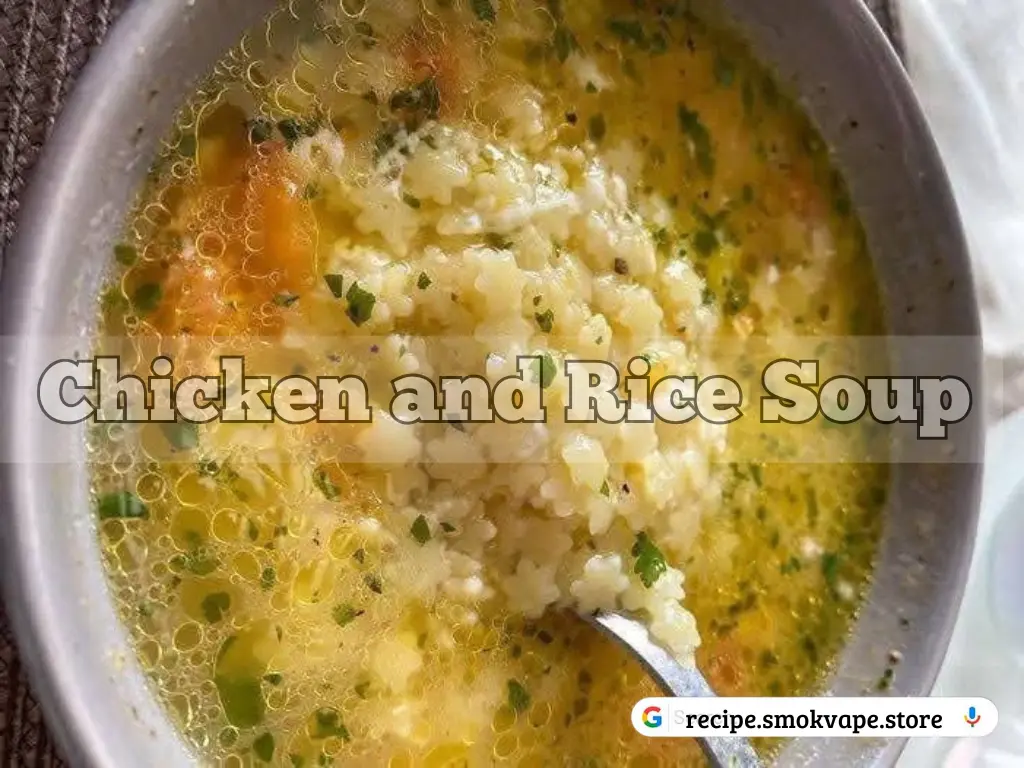
The Gentle Sauté for Maximum Sweetness
Before adding the broth, gently sauté the diced mirepoix in a tablespoon of quality unsalted butter or olive oil. The goal is to soften the vegetables and coax out their natural sugars—not to brown them. This process creates a deeper, sweeter flavor base that complements the richness of the chicken.
Strategic Herb Incorporation
Fresh herbs are non-negotiable for a vibrant flavor. We recommend a blend of:
- Thyme: Added with the mirepoix for its earthy, robust flavor.
- Bay Leaf: Included in the broth to simmer for a subtle background note.
- Parsley: A generous amount of freshly chopped flat-leaf parsley stirred in right before serving for brightness and color.
Step-by-Step Master Chicken and Rice Soup Recipe
| Ingredient | Quantity | Notes |
| Homemade Chicken Broth | 8 cups | Essential for deep flavor (see above) |
| Cooked/Shredded Chicken Breast/Thighs | 2 cups | Use the chicken from the broth or pre-cooked |
| Olive Oil or Unsalted Butter | 1 tbsp | For sautéing the vegetables |
| Onion, diced | 1 cup | White or yellow |
| Carrots, peeled and diced | 1 cup | Uniformly cut for even cooking |
| Celery, diced | 1 cup | Uniformly cut for even cooking |
| Long-Grain White Rice, par-cooked | 1.5 cups | Cooked separately (see above) |
| Fresh Thyme Sprigs | 3 | Remove after simmering |
| Bay Leaf | 1 | |
| Fresh Parsley, chopped | 1/4 cup | For garnish and flavor at the end |
| Salt and Freshly Ground Black Pepper | To taste | Start conservatively; adjust at the end |
Instructions for Chicken and Rice Soup Recipe
- Sauté Mirepoix: In a large pot, heat the olive oil/butter over medium-low heat. Add the diced onion, carrots, and celery. Sauté gently for 8–10 minutes, stirring occasionally, until softened and translucent, but not browned. Add the fresh thyme sprigs.
- Add Broth: Pour the 8 cups of prepared chicken broth into the pot. Add the bay leaf. Bring the soup to a gentle simmer.
- Simmer and Season: Let the soup simmer gently for 20 minutes to allow the vegetables to finish cooking and the flavors to meld. Season with salt and pepper.
- Incorporate Chicken: Stir in the shredded cooked chicken. Simmer for another 5 minutes to heat the chicken through.
- Final Assembly: If adding the rice directly to the pot, stir in the par-cooked rice and simmer for just 5 minutes. If storing leftovers, it is best to leave the rice out and add a scoop to individual bowls.
- Garnish: Remove the bay leaf and thyme sprigs. Taste and adjust seasoning as necessary. Ladle the soup into bowls and garnish generously with fresh parsley. Serve immediately with crusty bread.
Optimizing Leftovers: Storage and Reheating Tips
One of the challenges with chicken and rice soup is the deterioration of the rice texture upon storage. Following our technique of cooking rice separately solves this problem completely.
- Broth Storage: Store the soup (minus the rice) in an airtight container in the refrigerator for up to 4 days or freeze for up to 3 months.
- Rice Storage: Store any leftover par-cooked rice separately.
- Reheating: Reheat the broth gently on the stovetop. Add freshly cooked or separately stored rice to the hot broth just before serving. This maintains the integrity of the rice and the clarity of the broth.
Frequently Asked Questions (FAQ)
What makes homemade broth so much better for chicken and rice soup?
Homemade broth is vastly superior because it develops a deeper, more complex flavor profile and is rich in natural gelatin. This gelatin comes from the slow simmering of chicken bones and connective tissue, which gives the soup a desirable “mouthfeel” and body that cannot be replicated by commercial carton broths, which are often thin and overly salty.
Can I use brown rice instead of white rice?
Yes, you can use brown rice, but it requires a significantly longer cooking time. We recommend fully cooking the brown rice separately before adding it to the final soup to ensure it is tender and does not require the main soup to simmer for an extended period, which could overcook the vegetables and chicken.
My soup tastes bland. How do I fix it?
Blandness usually stems from under-seasoning or a weak broth base. Ensure you are using high-quality, scratch-made broth. To fix a bland soup, we suggest: 1) Adding a small splash of lemon juice or apple cider vinegar to brighten the flavor; 2) Stirring in a tablespoon of high-quality fish sauce or soy sauce for subtle umami depth; 3) Increasing the amount of salt and freshly ground black pepper incrementally until the flavors pop.
Should I cover the pot while simmering the broth?
We recommend leaving the lid off or slightly ajar while simmering the broth. This allows the steam to escape, which concentrates the liquid and deepens the flavor of the broth. If you keep the lid on, you may need to skim more fat and impurities.